Introduction
Smart Robotics Revolution is changing the way people live, work, and interact with technology. Robotics has become one of the most advanced fields in modern innovation, combining artificial intelligence, automation, sensors, and machine learning to create intelligent machines.
Unlike traditional robots, smart robots can analyze information, learn from experiences, and perform tasks with greater accuracy. These advanced machines are helping industries grow, improving healthcare services, supporting education, and making daily life easier.
The future of robotics is moving toward a world where humans and smart machines work together to create faster, safer, and more efficient solutions.
What Is the Smart Robotics Revolution?
The Smart Robotics Revolution refers to the development of intelligent robots that can understand their surroundings and make decisions without constant human control.
Traditional robots were designed to repeat specific tasks, but modern smart robots are more flexible and adaptive. They use artificial intelligence, advanced sensors, and powerful software to complete complex activities.
This revolution is creating new possibilities in areas such as manufacturing, healthcare, transportation, agriculture, and personal assistance.
Artificial Intelligence: The Heart of Smart Robotics
Artificial Intelligence (AI) is the main technology powering smart robotics. AI allows robots to collect information, recognize patterns, and make intelligent decisions.
Smart robots use AI to improve their performance and adapt to changing situations. For example, AI-powered robots can identify objects, understand commands, and perform tasks with higher precision.
As artificial intelligence continues to develop, robots will become more independent and capable of solving advanced problems.
Smart Robotics in Manufacturing
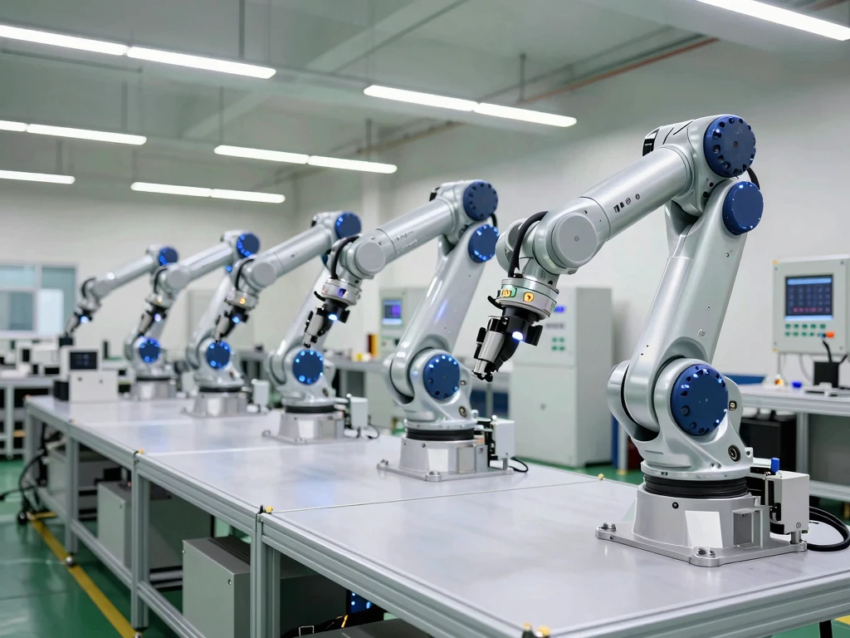
Manufacturing is one of the biggest industries benefiting from smart robotics technology. Companies use intelligent robots to increase production speed, improve quality, and reduce human errors.
Robotic systems can perform tasks such as assembling products, packaging materials, checking quality, and handling dangerous operations.
Smart factories are becoming more common, where robots and humans work together to create efficient production systems.
Healthcare and Medical Robotics
The healthcare sector is experiencing a major transformation through smart robotics. Medical robots are helping doctors perform precise surgeries and provide better patient care.
Robotic surgical systems allow doctors to complete complex procedures with improved accuracy. Other smart robots assist patients, support elderly care, and help healthcare workers manage daily tasks.
In the future, medical robotics will continue to improve treatment methods and make healthcare more accessible.
Smart Robots in Everyday Life
Robotics is not limited to industries and hospitals. Smart robots are becoming part of everyday life as well.
Home robots can help with cleaning, security monitoring, and household tasks. Personal assistant robots can provide information, reminders, and support for daily activities.
As technology improves, smart robots may become common tools that help people save time and increase convenience.
The Importance of Sensors in Robotics
Sensors are a key component of smart robotics. They allow robots to understand and interact with their environment.
Modern robots use cameras, motion sensors, and advanced detection systems to recognize objects, measure distances, and move safely.
When sensors work together with artificial intelligence, robots become more accurate, reliable, and efficient.
Smart Robotics in Education
Education is another area where robotics is making a positive impact. Schools and universities are using robots to teach students programming, engineering, and technology skills.
Robotics helps students develop creativity, logical thinking, and problem-solving abilities. Learning about robots prepares young people for future careers in science and technology.
Smart educational robots also create interactive learning experiences for students.
Benefits of Smart Robotics Technology
The Smart Robotics Revolution provides many advantages, including:
- Increased productivity and efficiency
- Improved accuracy in difficult tasks
- Better safety in dangerous environments
- Faster automation processes
- Support for healthcare and education
- New opportunities for technological innovation
These benefits make smart robotics one of the most valuable technologies of the future.
Challenges of Smart Robotics
Although smart robotics offers many benefits, it also presents some challenges. Developing advanced robots requires significant investment, technical skills, and careful planning.
Concerns about privacy, cybersecurity, and automation affecting jobs must also be addressed.
Responsible development and ethical use of robotics technology are important to ensure that smart machines benefit society.
The Future of Smart Robotics Revolution
The future of the Smart Robotics Revolution is full of exciting opportunities. Advances in artificial intelligence, machine learning, and automation will continue to improve robotic capabilities.
Future robots will become more intelligent, adaptable, and capable of working in complex environments. They will assist humans in solving problems, improving industries, and creating better living conditions.
Smart robotics will continue to shape the future by connecting technology with human needs.
Conclusion
Smart Robotics Revolution is transforming the modern world by introducing intelligent machines that improve productivity, safety, and innovation. From factories and hospitals to homes and classrooms, smart robots are creating positive changes everywhere.
As robotics technology continues to advance, humans and machines will work together more closely. The future of smart robotics will bring powerful solutions and create a smarter, more efficient world.