Introduction
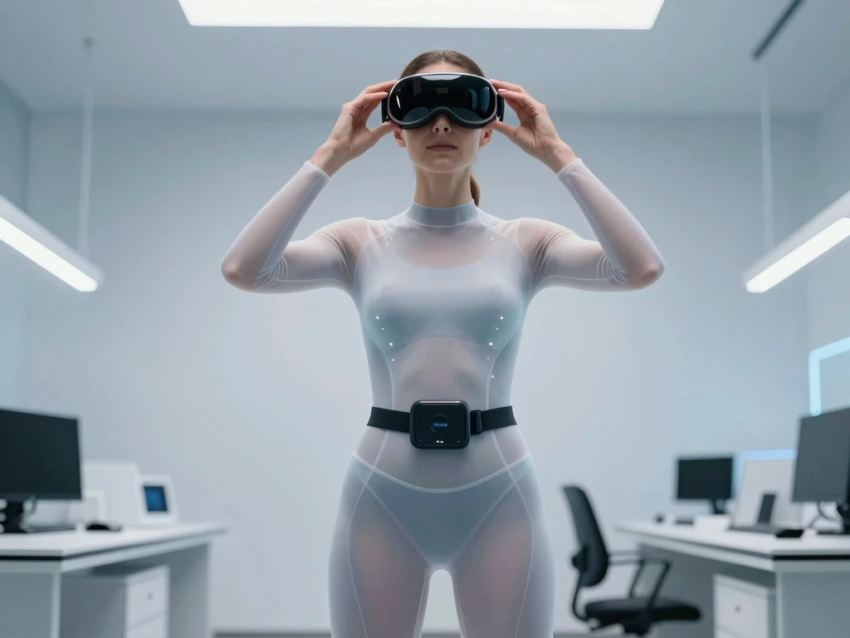
Next-Generation Wearable Technology Innovations are transforming the way people use technology in their daily lives. Wearable devices have evolved from simple fitness trackers into advanced smart systems that can monitor health, improve productivity, and provide personalized digital experiences.
With the combination of artificial intelligence, advanced sensors, cloud computing, and improved connectivity, wearable technology is becoming more powerful and intelligent. Future wearable devices will not only collect information but also analyze data and provide useful solutions.
The growth of wearable technology is creating a smarter future where devices work closely with people to improve health, communication, and lifestyle.
What Is Next-Generation Wearable Technology?
Next-generation wearable technology refers to advanced electronic devices designed to be worn on the body while providing smart features and digital services.
These devices include:
- Smartwatches
- Fitness trackers
- Smart rings
- AI-powered glasses
- Medical wearable devices
Unlike traditional gadgets, next-generation wearables use advanced technology to understand user needs, monitor activities, and provide real-time information.
The Evolution of Wearable Technology
Wearable technology has changed significantly over the years. Early wearable devices mainly focused on basic fitness tracking, but modern devices now provide advanced health monitoring and smart features.
Today’s wearables can measure physical activity, track sleep, monitor heart rate, and connect with smartphones. New innovations are making these devices smaller, faster, and more accurate.
The future of wearable technology will continue to introduce smarter solutions that improve everyday life.
Artificial Intelligence in Wearable Devices
Artificial Intelligence (AI) is one of the most important technologies driving next-generation wearable innovations. AI allows wearable devices to understand user behavior and provide intelligent recommendations.
AI-powered wearables can analyze health data, recognize activities, and create personalized experiences.
For example, smart devices can suggest fitness improvements, identify unusual health patterns, and help users make better lifestyle decisions.
As AI technology advances, wearable devices will become more like personal digital assistants.
Advanced Health Monitoring Wearables
Healthcare is one of the biggest areas benefiting from next-generation wearable technology. Modern wearable devices can monitor important health information continuously.
Future health wearables may include more advanced features for tracking:
- Heart activity
- Sleep quality
- Body temperature
- Fitness levels
- General wellness
These innovations can help users understand their health and support healthcare professionals with valuable information.
Smartwatches of the Future
Smartwatches are leading the wearable technology market and continue to improve with new innovations.
Future smartwatches are expected to offer:
- Better health monitoring
- Longer battery life
- More intelligent AI features
- Improved communication tools
- Advanced fitness tracking
With continuous development, smartwatches may become complete health and productivity assistants.
Smart Glasses and Augmented Reality Technology
Smart glasses are another exciting area of wearable innovation. These devices combine wearable technology with augmented reality (AR) to provide digital information in the real world.
Future smart glasses may help users with navigation, professional tasks, education, and communication.
Businesses, healthcare professionals, and students could benefit from AR-powered wearable devices that provide useful information instantly.
Flexible and Lightweight Wearable Designs
Future wearable technology will focus on creating devices that are more comfortable and easier to use.
Developers are working on flexible displays, lightweight materials, and compact designs that make wearables more practical.
These innovations may allow wearable devices to become part of clothing, accessories, and everyday items.
The Role of 5G and Connectivity
Fast connectivity is an important part of next-generation wearable technology. 5G networks allow wearable devices to share information quickly and work more efficiently.
Improved connectivity helps wearables provide real-time data, better communication, and faster access to online services.
As network technology improves, wearable devices will become more connected with smart homes, vehicles, and digital platforms.
Benefits of Next-Generation Wearable Technology
Advanced wearable devices provide many benefits, including:
- Real-time health tracking
- Improved fitness management
- Better communication
- Increased productivity
- Personalized digital experiences
- Easy access to important information
These advantages make wearable technology an important part of the future digital world.
Challenges of Future Wearable Innovations
Although wearable technology is developing quickly, there are some challenges. Privacy and data security are major concerns because wearable devices collect personal information.
Other challenges include battery life, device cost, accuracy, and user comfort.
Future innovations must focus on creating secure, affordable, and reliable wearable solutions.
The Future of Wearable Technology Innovations
The future of wearable technology is filled with exciting possibilities. Artificial intelligence, smart sensors, flexible designs, and advanced connectivity will continue to improve wearable devices.
Future wearables may become more intelligent, helping users manage health, improve productivity, and interact with technology in new ways.
As innovation continues, wearable technology will become an essential part of modern life.
Conclusion
Next-Generation Wearable Technology Innovations are creating a new era of smart devices that improve health, communication, and everyday experiences. From AI-powered smartwatches to advanced medical wearables and smart glasses, these technologies are changing the way people interact with digital solutions.
The future of wearable technology will bring more powerful, intelligent, and personalized devices. As these innovations continue to grow, wearable technology will play a major role in building a smarter and more connected world.