Introduction
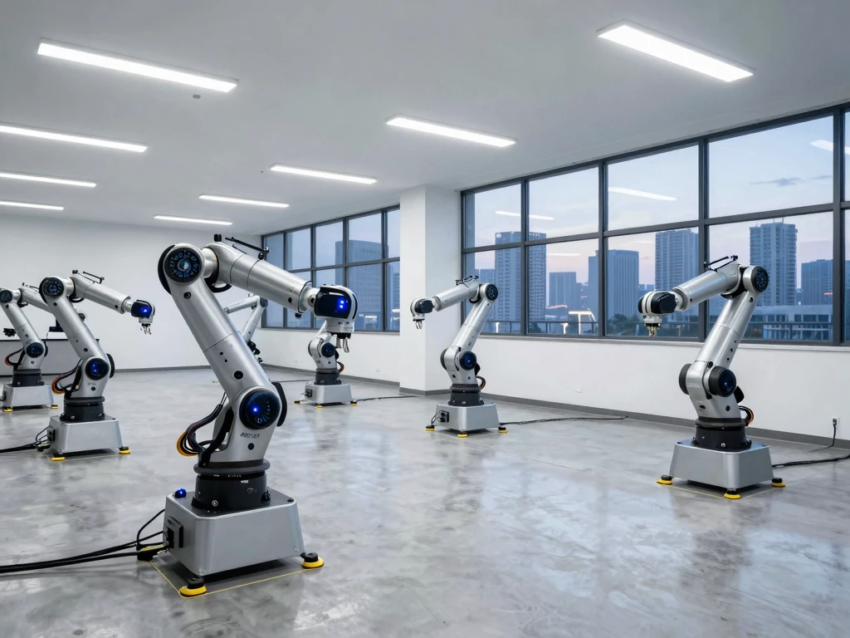
The Future of Modern Robotics is bringing a new era of innovation, automation, and intelligent technology. Robotics has become one of the fastest-growing fields, combining artificial intelligence, engineering, and advanced computer systems to create machines that can perform complex tasks.
Modern robots are no longer limited to factories. They are now being used in healthcare, education, transportation, homes, and many other industries. With continuous improvements in artificial intelligence and automation, robotics is becoming smarter, faster, and more helpful.
The future of robotics will create new opportunities by allowing humans and machines to work together in more efficient ways.
The Evolution of Modern Robotics
Robotics technology has changed dramatically over time. Early robots were designed mainly for simple industrial tasks, but today’s robots can analyze information, learn from experiences, and interact with their surroundings.
Modern robotics combines advanced hardware, software, sensors, and artificial intelligence to create intelligent machines. These developments have made robots more accurate, flexible, and capable of performing complex operations.
The evolution of robotics shows how technology is moving toward a future where smart machines will play a larger role in everyday life.
Artificial Intelligence and Smart Robots
Artificial Intelligence (AI) is one of the most important technologies shaping the future of modern robotics. AI allows robots to understand their environment, process information, and make decisions.
Smart robots can recognize objects, learn from data, and improve their performance over time. AI-powered robotics is being used in areas such as healthcare, manufacturing, research, and customer services.
In the future, artificial intelligence will help robots become more independent and capable of handling advanced tasks.
Robotics in Manufacturing and Industry
Manufacturing is one of the industries that has benefited greatly from robotics. Companies use robots to improve production speed, accuracy, and safety.
Industrial robots can assemble products, manage materials, inspect quality, and perform dangerous tasks. They help businesses reduce errors and increase efficiency.
Future factories will use advanced robotic systems where humans and machines work together to create smarter production processes.
Healthcare Robotics: A New Medical Revolution
The healthcare industry is experiencing major changes because of robotics technology. Medical robots are helping doctors perform precise surgeries, assist patients, and improve treatment methods.
Surgical robots provide greater accuracy during complex procedures. Robotic assistants can also support elderly people and patients who need daily care.
As healthcare robotics continues to advance, it will improve medical services and provide better solutions for patients worldwide.
Robotics in Everyday Life
Robots are becoming more common in homes and daily activities. Smart home robots can help with cleaning, security monitoring, and household tasks.
Personal robots are also being developed to assist people with daily needs and provide useful services.
In the future, robotic assistants may become a normal part of everyday life, helping people save time and improve convenience.
The Role of Sensors and Automation
Sensors are an essential part of modern robotics. They allow robots to understand their surroundings and respond accurately.
Robots use cameras, motion sensors, and advanced detection systems to navigate environments and complete tasks safely.
Automation combined with smart sensors allows robots to perform work with greater precision and reliability.
Robotics in Education and Research
Modern robotics is also transforming education and scientific research. Schools and universities use robots to teach programming, engineering, and technology skills.
Educational robots encourage creativity and help students understand how modern machines work.
Researchers are also developing advanced robots for space exploration, environmental studies, and scientific discoveries.
Benefits of Modern Robotics Technology
Modern robotics provides many advantages, including:
- Improved productivity and efficiency
- Higher accuracy in complex tasks
- Increased workplace safety
- Faster problem-solving
- Support for healthcare and education
- Reduction of human effort in difficult tasks
These benefits make robotics an important technology for the future.
Challenges of Future Robotics
Although robotics offers many opportunities, there are also challenges. Developing advanced robots requires high costs, technical expertise, and careful management.
Concerns about privacy, security, and job changes due to automation must also be considered.
Responsible development and ethical use of robotics can help create a future where technology benefits everyone.
The Future of Modern Robotics Technology
The future of modern robotics will be shaped by artificial intelligence, machine learning, and advanced automation. Future robots will become more intelligent, adaptable, and capable of working in complex environments.
Robots may assist humans in solving global challenges, improving industries, and creating better living conditions.
As technology continues to develop, robotics will become an important part of a smarter and more connected world.
Conclusion
The Future of Modern Robotics represents a new stage of technological advancement. From smart factories and medical robots to home assistants and educational tools, robotics is changing the way people live and work.
With continuous innovation, robots will become more powerful, intelligent, and useful. The future of robotics will bring exciting possibilities and create a world where humans and machines work together to achieve greater success.